
How Custom ID Badges Elevate Your Club Uniform
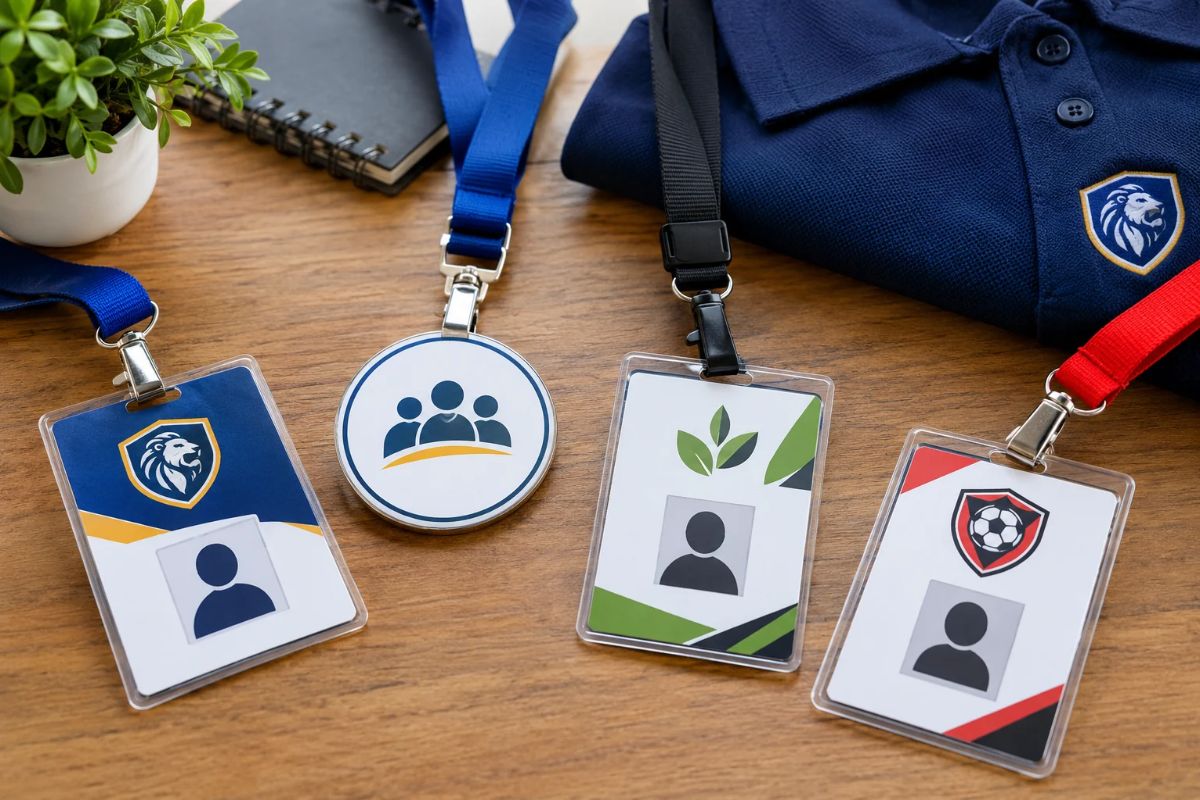
A club uniform creates a shared identity and gives the organisation a more consistent appearance. Whether it is a sports club, motorcycle group, school society or community organisation, small details can make a noticeable difference to how that identity comes across.
Custom ID badges are one such detail. They can display a member’s name, role, club logo or other identifying information, which makes uniforms more personal and practical. When designed to complement the rest of the clothing, they can turn a standard uniform into something that feels more organised and connected to the group.
But there is more to it…Keep reading to discover the real benefits of them for your club uniforms.
Why You Need To Invest In A Custom ID Badge For Your Club Uniforms
Custom ID badges are a unique tool that builds spirit and unity. This is something that is non-negotiable (and also a core pumping factor for building confidence when you are competing with someone)
Here is what these tiny symbols can actually do when they are attached to a piece of clothing.
Create a Stronger Club Identity
A recognisable identity helps members feel connected to the organisation they represent. Logos and other visual details communicate what a club stands for, and custom ID badges can bring those elements together in one visible place.
A badge with a club emblem and approved colours helps create consistency across different uniform styles.
For example:
- A cycling club may use matching badges on jackets and shirts
- Whereas a community organisation could add them to polo shirts worn by volunteers at local events
The result is a uniform that feels thoughtfully designed instead of something that is assembled from separate items. Even a very simple badge can reinforce the connection between the clothing and the organisation behind it.
Make Members Easier to Recognise
Names and roles are useful details when members interact with visitors, customers, supporters or other participants. A well-positioned ID badge allows people to identify who they are speaking to without having to ask immediately.
This can be particularly helpful at:
- Group tournaments
- Exhibitions
- Club meetings
- Community events
For example, a badge displaying a member’s name and committee position can help attendees identify the appropriate person when they need information.
Badges can also distinguish between team leaders, coaches, organisers and general members when it comes to larger organisations. The design should remain clear enough to read at a normal conversational distance, with the most important information given sufficient space.
Give Club Uniforms a More Professional Finish
Uniforms often give a more cohesive look when their details follow a consistent design. Different garments can still have different cuts and colours, but matching ID badges help establish a common visual element.
You should consider a club whose members wear a mixture of shirts and outerwear.
A coordinated badge design can connect these pieces without requiring everyone to purchase identical clothing. This makes it a practical way to maintain a recognisable appearance across different activities and seasons.
Also remember, a professional presentation does not necessarily mean choosing an elaborate design.
You should try to:
- Use clear lettering
- Proper and balanced spacing
- A suitable colour combination
This can be more effective than excessive decoration and will let your badge complement the uniform instead of trying to compete with it.
Personalise Uniforms Without Losing Consistency
Clubs need to balance individual recognition with a shared appearance. Custom ID badges make that possible by allowing personal details to vary within an established design.
Each member can have a badge bearing their own name while the three core elements will remain consistent:
- The logo
- Typography used
- The colours present
Badges may also include a department, membership category or official position depending on the organisation’s needs.
This approach is useful when new members join. The club can update the badges while retaining the same overall visual identity instead of redesigning the entire uniform.
Improve Practicality at Club Events
Custom badges UK can be particularly useful when a club hosts activities involving people who may not know every member personally. Clear identification can make it easier for visitors to approach the right person at a competition or a charity event.
For example, a badge might display a first name and the word “Volunteer”.
- They can help attendees recognise someone who can answer questions
- A committee member could wear a badge identifying their role
- Whereas an event organiser might use one that distinguishes them from general participants
The information should be limited to what people genuinely need. Including unnecessary personal details can create privacy concerns, so clubs should consider carefully which information belongs on a badge and who will be able to see it.
Make New Members Feel Included
Joining a club can feel unfamiliar, especially when established members already know one another.
A personalised badge:
- Helps introduce new members into the group’s shared identity
- Wearing the same style of as everyone else offers a visible sign of membership
- Also makes introductions easier, particularly when names are displayed clearly and consistently
This small detail can contribute to a welcoming atmosphere for youth groups, hobby societies and community organisations. The badge is not a substitute for friendly communication, but it can help reduce the awkwardness of remembering names during early meetings.
What You Need To Keep In Mind Before Placing Your Order
Here is what you need to remember before finalising your custom ID badges.
Think Carefully About Design and Placement
It is true that a badge is most effective when people can see and read it easily.
Before approving a design, clubs should consider a few important things:
- High contrast between the text and background helps names remain legible.
- A clean layout also prevents the logo, member’s name and role from competing for attention.
- Placement matters, too. A badge should sit somewhere visible without interfering with pockets or other uniform features.
- Test the placement on more than one item before placing a large order if members wear different garment styles.
- It is also sensible to request a digital proof or sample. Reviewing the finished design before production can reveal awkward spacing and colours that do not work as expected.
Choose Materials That Suit the Activity
The material and construction of an ID badge affect the comfort and durability. The right choice depends on where the uniform will be worn and how frequently it will be used.
PVC Badges
These emblems are known for offering a defined shape and a flexible construction. They may suit clubs looking for a distinctive badge that incorporates a logo or simple graphic.
Woven Badges
This option provides a flatter surface that can accommodate very fine lettering and detailed designs. Consider them when small text or when intricate linework is important.
Embroidered Badges
Custom embroidered badges use stitching to create a textured finish. They work well with fabric uniforms and can complement traditional club clothing such as jackets.
Printed Badge
They can reproduce detailed artwork and a broader range of visual effects. They may suit designs that rely on gradients and illustrations.
You also need to know that not every material is suitable for every attachment method. Before ordering, clubs should check whether the badge:
- Is intended to be sewn on
- Is attached with hook-and-loop fastening
- Can be secured with an adhesive
- Is fitted using another backing
Consider Long-Term Use and Replacement
Club membership changes over time. New people join, responsibilities shift and uniforms may need replacing. Choosing a badge design that can be reproduced consistently makes future orders a lot easier to manage.
Clubs can retain approved artwork and specifications so that replacement badges follow the same visual style.
- Before ordering, they should also consider the likely quantity, attachment method and care requirements.
- Badges intended for frequently washed garments need to be compatible with the fabric and laundering instructions.
Checking these details in advance can help prevent conditions such as fraying or premature wear.
FAQS
What information should a custom club ID badge include?
Most clubs need only a member’s name, the club logo and, where useful, their role or department. The exact details will be based on the organisation’s activities and identification needs.
Are custom ID badges suitable for sports clubs?
Yes. They can be used on tracksuits, jackets, polo shirts and other team clothing, but the material and attachment method should suit the garment and activity.
Which badge material is best for club uniforms?
You can choose the best one according to your budget and usage needs, as PVC, embroidered, woven and printed badges offer different finishes.
Can clubs order replacement badges for new members?
Yes, but only if the supplier can reproduce the approved design. Keeping the original artwork and specifications can help maintain consistency when ordering additional badges.
How can a club make its ID badges easier to read?
Try to use clear lettering, sufficient text size, strong contrast and a simple layout. Place the badge where it remains visible without being obstructed by any clothing.
Wrapping Up
Custom ID badges can make club uniforms more recognisable and practical as they give members a way to display their names and roles while reinforcing the colours and symbols that represent the organisation. You also need to remember that the best results come from thoughtful design instead of wasting time on unnecessary decoration. So choose suitable materials for everyday use and keep the information readable to easily create badges that complement their uniforms and support a stronger sense of belonging.

Meet Ryan, the most creative and passionate craftsman at CustomBadges.uk. He knows which type of badge works best for which garment. Whether you want customization guidance, tips for the application, or any other relevant information about badge making, Ryan will share some extremely valuable insights with you. His knowledge is way more than just an ordinary badge maker.